

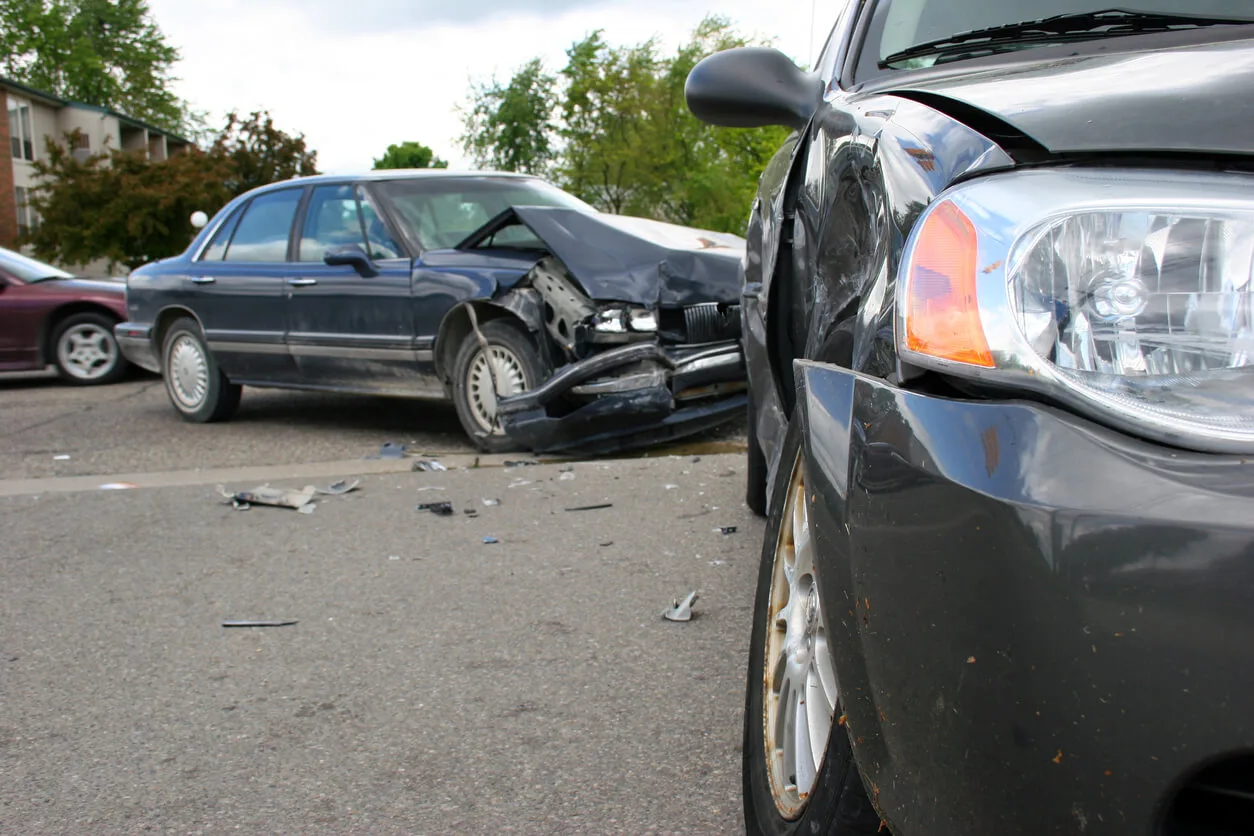
When several vehicles collide, it’s not always clear who is at fault and must pay. You might be involved in a four-car crash, or a pile-up on the turnpike—and insurance companies often point fingers at each other. Understanding fault in these car accidents starts with knowing how liability is assigned and who might share financial responsibility.
Why Fault Isn’t Always Obvious
Multi-car crashes often happen as a chain reaction. A vehicle’s sudden stop or swerve can cause others to collide with each other. In those cases, more than one driver might share blame. Insurance companies and courts will look at who initiated the sequence—but they’ll also consider how closely each driver followed, whether anyone was distracted or speeding, and the positioning of all vehicles.
New Jersey follows comparative negligence rules. That means you can recover even if you’re partly at fault—up to 50 percent—though your share of blame will reduce your payout.
Who Might Be Held Responsible?
Responsibility doesn’t always fall on a single driver. Depending on the collision dynamics, several parties could be involved:
- The first driver who triggered the crash, often by following too closely or not braking in time
- Other motorists who contributed by tailgating or making unsafe maneuvers
- Entities like road agencies, if poor maintenance, potholes, or signage played a role
Your attorney will need to gather evidence—like police reports, traffic camera footage, witness statements, and crash reconstructions—to clearly show who did what and how that led to the crash.
Multiple Claims, Multiple Defendants
Because multiple drivers can carry some fault, you can file claims against more than one party. In some cases, you could recover from whichever defendant has the means (“deep pockets”), even if their share of responsibility is small. This is due to principles like joint and several liability. In effect, if one party can’t pay their full share, another liable party may be required to cover it—even if they were less at fault.
What Should You Do After a Complex Crash?
If you’ve just been in a multi-car accident, take these steps:
- Seek medical care immediately, even if the injuries feel minor
- Call the police—an official report provides baseline evidence
- Document the scene: photos, video, and witness contact details are crucial
- Don’t admit fault or agree to recorded statements before speaking with a lawyer
Then, contact a personal injury lawyer who understands how to unravel the claim complexities, identify liable parties, and protect your rights—even if fault isn’t apparent yet.
How a Car Accident Attorney Can Help
At Nagel Rice LLP, we understand that multi-car accidents can be overwhelming. Our team has decades of experience untangling complex crash scenarios, identifying every liable party, and pursuing full compensation for our clients. We can anticipate tactics insurance companies use to avoid paying fair claims, and we’re prepared to push back with solid evidence and strategic negotiation.
When you work with us, you gain a committed partner who will protect your rights, guide you through each step, and fight to get you the recovery you deserve. Contact us today for a free consultation to explore your options after a complex collision.